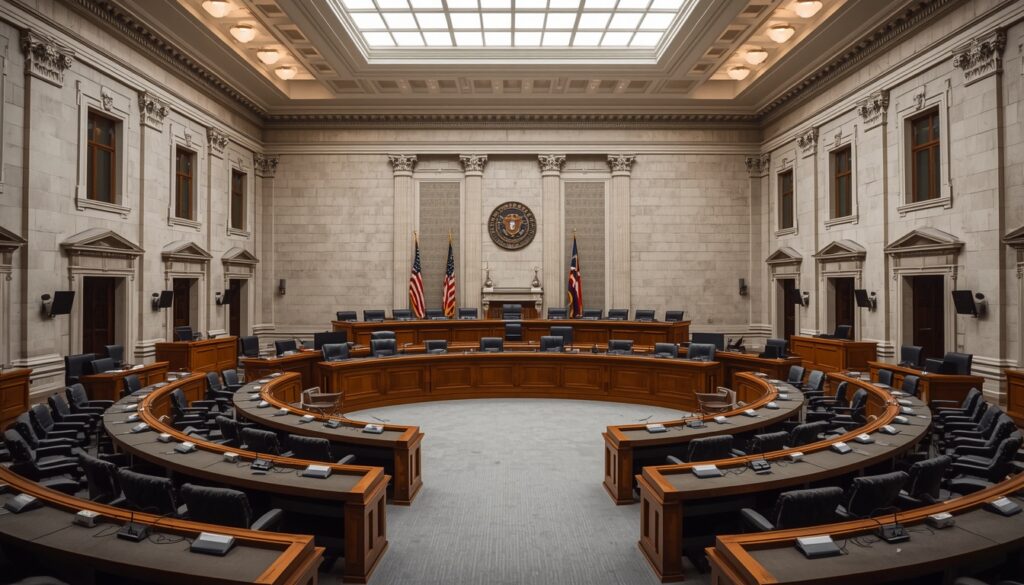
Statutory Targets for Net Zero Compliance in CRE Portfolios
The United Kingdom set legally binding climate objectives that directly affect commercial real estate portfolios. The Climate Change Act 2008, as amended, requires net zero greenhouse gas emissions by 2050. Parliament and the devolved administrations translate that target into sectoral duties and secondary regulation. Statutory Instruments set interim targets and reporting duties that landlords must heed.
Commercial real estate now encounters statutory trimming of permitted emissions intensities. The Energy Performance of Buildings (England and Wales) Regulations 2012 and subsequent updates create minimum standards for sale and lease. Local planning requirements increasingly link consent to embodied and operational carbon metrics. Owners must map asset-level compliance to statutory timetables.
Failure to adapt invites enforcement and transactional friction. Lenders and insurers now demand explicit compliance pathways. Asset valuations depend on demonstrable statutory alignment. Counsel’s Notes: Prepare a statutory timeline tied to each asset, mapping instruments, deadlines, and reporting thresholds.
Portfolio-level Targets and Legal Character
Portfolio net zero targets acquire statutory relevance when attached to compliance duties. Regulators treat aggregated obligations and asset-level duties as complementary. A corporate net zero pledge informs disclosure obligations under securities and corporate law. Directors owe a Duty of Care to consider climate-related physical and transition risks.
Statutory targets may impose affirmative obligations on corporate landlords. Where instruments require decarbonisation plans, failure to prepare may found regulatory breach. Contractual covenants can amplify statutory duties, converting soft pledges into enforceable obligations. Third-party beneficiaries may seek remedies when statutory duties intersect private law rights.
Consequently, trustees, corporate boards, and fiduciaries must adopt governance structures that convert strategic targets into enforceable controls. Allocate clear responsibilities for data, capex, and statutory filings. Counsel’s Notes: Integrate statutory targets into board minutes and compliance registers to create governance evidence.
Regulatory Friction, Liability Shield and Compliance
Sources of Regulatory Friction
Regulatory friction arises from overlapping instruments, ambiguous standards, and phased implementation. Regulations at national, devolved, and local levels create concurrency. Statutory Instruments may differ in scope and timing across jurisdictions. Practical compliance requires reconciling multiple reporting formats and metrics.
Market actors also generate friction through contractual expectations. Lenders apply loan covenants tied to net zero milestones. Tenants seek retrofit works and net-zero guarantees. These private law pressures interact with public duties to increase complexity. Owners thus face transactional delays and cost reallocation disputes.
Frictions increase litigation and enforcement risk where statutory thresholds remain unclear. Regulators deploy civil sanctions, and private claimants pursue losses. Early-stage friction management reduces downstream legal exposure. Counsel’s Notes: Document regulatory interpretations and seek clarifying guidance from regulators where statutes conflict.
Liability Shielding Strategies
Liability Shields require proactive statutory alignment and contractual drafting. Statutory compliance provides primary defence to regulatory claims. Structured compliance programs, with documented audits and remedial timetables, support a defence against negligence claims. Directors should document decisions demonstrating informed deliberation.
Contractual protections reduce private liability. Include express clauses allocating retrofit costs between landlord and tenant. Use bespoke indemnities for third-party liabilities and detailed representations in disposals. Ensure insurance programs reflect transition and emerging risks, including coverage for regulatory fines when available.
Finally, statutory instruments may provide safe harbours or phased compliance exceptions. Where available, rely on those instruments to limit exposure. Seek formal approvals or agreements with regulators to create administrative shields. Counsel’s Notes: Maintain an audit trail demonstrating reasonable steps taken toward statutory targets.
Statutory Frameworks and Instruments
Primary Statutes and Secondary Regulation
Several statutes underpin net zero obligations for buildings. The Climate Change Act 2008 sets the UK-wide target. Parliament empowered ministers to implement detailed rules through Statutory Instruments. These instruments translate high-level targets into technical duties.
Sector-specific statutes now intersect with building regulations. The Building Safety Act 2022 amended safety duties with implications for retrofit work. Energy efficiency regulations specify minimum thresholds for letting and sale. Combined, they create cross-cutting compliance obligations for owners and managers.
Regulators issue guidance that informs enforcement. Non-binding guidance can nonetheless influence judicial interpretation. Track both primary law and associated Statutory Instruments to ensure the portfolio meets current duties. Counsel’s Notes: Monitor the Statutory Instrument pipeline for amendments that affect compliance calendars.
Liability Matrix: An Original Model
I propose the “Smalley-Sharples Liability Matrix” as a practical legal model. The matrix aligns statutory triggers with likely liability exposure. It rates risk, identifies mitigating controls, and prescribes escalation pathways. Directors and asset managers can use the model as a compliance dashboard.
The matrix supports decision-making on capex prioritisation, contractual clauses, and insurance. It maps enforcement likelihood against financial exposure. Use the model to calibrate disclosure narratives and board reporting. The model functions as an evidential asset in regulatory or private disputes.
Below is a liability matrix table designed for portfolio application. Populate it with asset-specific data to produce an actionable risk register.
| Risk Category | Statutory Trigger | Primary Liability | Mitigation | Score |
|---|---|---|---|---|
| Operational Emissions | Energy Performance Regulations | Regulatory fines, enforcement notices | Retrofit plan, monitoring, tenant engagement | High |
| Embodied Carbon | Planning conditions | Consent withdrawal, injunctions | Design change, materials audit | Medium |
| Reporting Failure | Statutory reporting SI | Civil penalties, reputational loss | Automated reporting, audit trail | High |
| Lease Non-compliance | Contractual covenants | Damages, termination | Contract revision, tenant fit-out control | Medium |
| Safety/Retrofit Defects | Building Safety Act 2022 | Civil liability, criminal exposure | Competent person certificates, warranties | High |
Counsel’s Notes: Use the matrix to prioritise remediation and to evidence proportionality in board decisions.
Measurement Standards and Reporting
Accepted Metrics and Their Statutory Weight
Measurement standards determine how compliance manifests. Regulators prefer recognised metrics like operational CO2e per square metre and NABERS/EPRA measures. Net Zero Strategy 2021 and subsequent guidance shape which metrics carry weight in statutory contexts.
Statutory instruments sometimes mandate specific metrics for reporting. Where the instrument specifies, use that metric for statutory filings. Where instruments remain silent, adopt accepted industry standards and explain methodological choices in disclosures. Transparent methodology reduces challenge risk.
Data quality and provenance matter in regulatory contexts. Weak measurement systems invite regulatory scrutiny and third-party litigation. Invest in metering, data governance, and third-party verification to build a defensible compliance position. Counsel’s Notes: Maintain chain-of-custody for data and independent validation records.
Reporting Obligations and Disclosure
Reporting obligations now appear across planning, securities, and corporate regimes. Public companies face expanded disclosure under financial reporting and sustainability regimes. Private companies face growing expectations from investors and lenders.
Statutory reporting can trigger liabilities for misstatement or omission. Directors must ensure statements are accurate and suitably caveated. Where uncertainties exist, document the basis for assumptions and remediation plans. That documentation serves as primary evidence of reasonableness.
Integrated reporting aligns statutory disclosure with fiduciary duties. Use standard templates and ensure board oversight of disclosures before publication. Engage auditors or legal counsel to review material disclosures. Counsel’s Notes: Create a reporting calendar linked to statutory deadlines and board review cycles.
Enforcement Mechanisms and Penalties
Regulatory Enforcement Tools
Regulators use a range of enforcement tools. These include improvement notices, civil monetary penalties, and compliance orders. In extreme cases, regulators may seek injunctive relief or criminal sanctions under specific statutes.
Regulatory action often follows persistent non-compliance or material misreporting. Enforcement escalates with demonstrable harm or deliberate concealment. Early engagement with regulators can reduce the severity of sanctions and create remediation windows.
Administrative enforcement increasingly features public naming and shaming. Reputational effects can eclipse financial penalties. Prepare communications strategies and legal defences in parallel with technical remediation. Counsel’s Notes: Treat early regulator contact as an opportunity to negotiate remediation rather than an admission of liability.
Civil and Corporate Liability Exposure
Private parties may pursue damages for loss caused by regulatory failures. Tenants may claim for loss of amenity or increased running costs. Purchasers may pursue misrepresentation and breach of warranty claims in transactions.
Directors face personal exposure where regulatory failures constitute breaches of duty. Courts assess directors’ actions against the standard of a reasonably diligent director. Documented deliberation, external advice, and proportionate remediation support director defences.
Insurance solutions offer partial cover against fines and liabilities. Confirm policy language covers regulatory exposures and transition risks. Where cover excludes fines, prioritise statutory compliance to remove uninsured risk. Counsel’s Notes: Maintain director-level minutes evidencing prudent decision-making and risk assessment.
Corporate Governance and Duty of Care
Board Responsibilities and Statutory Duties
Boards must translate statutory targets into governance obligations. Directors have a Duty of Care to consider foreseeable financial harms from climate regulation. That duty requires informed decision-making and accurate reporting to stakeholders.
Integrate net zero compliance into risk registers, audit plans, and remuneration frameworks. Assign clear lines of accountability for implementation, data integrity, and statutory filings. Boards must evidence oversight through minutes and periodic reviews.
Where companies fail to integrate statutory duties, regulators and claimants will test whether directors met the required standard. Proactive governance reduces litigation risk and supports a Liability Shield. Counsel’s Notes: Ensure directors receive specialised briefings on statutory instruments affecting the portfolio.
Contractual Allocation of Risk
Contracts allocate transition and compliance costs among landlords, tenants, contractors, and lenders. Effective drafting addresses retrofit obligations, warranties, and cost-sharing mechanisms. Use clear triggers for landlord works, tenant compliance, and dispute resolution.
Include clauses covering statutory changes and phased compliance. Provide flexibility for regulatory updates while protecting core financial positions. Where possible, require contractors to carry warranties and compliance certificates tied to Statutory Instruments.
A rigorous contractual framework translates statutory obligations into enforceable private-law duties. That reduces litigation risk and clarifies allocation of retrofit costs. Counsel’s Notes: Standardise clauses across leases to avoid inconsistent obligations and enforcement difficulties.
Jurisdictional Precedents
UK Case Law and Administrative Decisions
UK jurisprudence increasingly engages with climate and statutory compliance. Decisions touching building standards and environmental duties inform liability expectations. Notable public law challenges have clarified duty-holder obligations under statutory schemes.
For example, litigation around government policy has emphasised that statutory duties must be exercised within lawful administrative discretion. Case law also clarifies causation principles where regulatory breaches produce economic harm. Courts scrutinise procedural fairness in regulator actions.
Owners must track both high court and appellate decisions that influence statutory interpretation. Administrative decisions and tribunal outcomes offer practical lessons on how regulators apply sanctions. Counsel’s Notes: Maintain a precedent file linking judicial outcomes to portfolio-specific risks.
Comparative Jurisprudence and Cross-border Lessons
UK law does not operate in isolation. EU jurisprudence and international cases provide persuasive authority on interpretation of environmental duties. Courts outside the UK have adopted principles on corporate climate duty that UK courts may find persuasive.
Cross-border portfolios face conflicting obligations and enforcement approaches. Jurisdictions with strict disclosure laws create different liability profiles. Compare remedies, enforcement thresholds, and available defences when planning transnational compliance.
Use comparative jurisprudence to develop robust compliance strategies and to anticipate regulator approaches. Where possible, harmonise standards to the most stringent relevant jurisdiction. Counsel’s Notes: Apply comparative law selectively to strengthen defences in UK proceedings.
2026 Regulatory Outlook
Anticipated Statutory Developments
Regulators intend to tighten building-level emissions standards within the next 12 months. Expect amendments to Statutory Instruments that will shorten compliance windows. New reporting obligations will emphasise operational data and third-party verification.
Legislative initiatives may impose mandatory retrofit timetables for high-emission assets. Planning reforms could integrate embodied carbon assessment into permissions. These changes will increase transactional friction and require accelerated capital expenditure.
Prepare for increased regulator coordination across departments and local authorities. That will reduce variation but increase enforcement reach. Counsel’s Notes: Reassess capex plans quarterly against anticipated statutory changes to avoid stranded assets.
Enforcement and Market Reaction
Enforcement will shift from information-gathering to outcomes-based action. Regulators will prioritise markets where non-compliance creates systemic risks. Expect civil penalties and targeted injunctions in high-risk cases.
Financial markets will penalise portfolios lacking clear statutory alignment. Lenders will tighten covenants and insurers will refine underwriting to exclude regulatory fines. Market pressure will accelerate voluntary compliance and influence transactional pricing.
Active regulatory engagement reduces enforcement risk and supports market confidence. Neglect increases the probability of costly enforcement and impaired liquidity. Counsel’s Notes: Prioritise assets with the highest regulatory delta between current performance and statutory targets.
Executive FAQ
What liability arises if a landlord fails to meet a statutory retrofit timetable imposed by a Statutory Instrument in 2026?
Failure to meet a statutory retrofit timetable exposes the landlord to regulatory enforcement, civil penalties, and mandatory remediation orders. Tenants may claim breach of covenant if works affect use. Directors could be challenged if oversight lacked due diligence. Defences include documented remedial plans, active engagement with regulators, and reliance on statutory exceptions. Insurers may deny coverage for fines unless policies expressly include regulatory exposures.
How should boards document decisions to create a Liability Shield against director claims?
Boards should record a structured decision-making process showing informed deliberation. Include expert technical and legal advice, risk assessments, and financial modelling. Document minutes that evidence proportionality and reasonableness. Maintain an audit trail of compliance actions and remedial spending. Where directors rely on independent reports, retain those reports in board packs. This evidentiary package supports a Liability Shield against allegations of negligent oversight.
Can contractual clauses shift statutory compliance risk to tenants without breaching public policy?
Contractual clauses can allocate retrofit costs and obligations, provided they do not attempt to contract out of statutory duties. Statutory obligations remain non-transferable where the statute imposes an absolute duty. Contractual risk allocation can assign cost and practical tasks, but the landlord retains primary statutory responsibility. Courts will scrutinise clauses that undermine statutory protections. Seek bespoke drafting and legal review to ensure enforceability.
What evidential standards will regulators use to assess compliance with reporting duties?
Regulators will assess accuracy, completeness, and provenance of underlying data. They will expect third-party verification where statutory instruments require it. Auditable chains of custody for metering data and independent assurance reports will carry weight. Regulators will also evaluate the reasonableness of assumptions and the timeliness of filings. Maintain contemporaneous records and certification to satisfy evidential demands.
How do cross-jurisdictional assets change the Liability Matrix for a UK portfolio owner?
Cross-jurisdictional assets introduce conflicting statutory duties and enforcement regimes. The Liability Matrix must account for differing metric standards, reporting formats, and penalty regimes. Mitigation includes harmonising reporting to the strictest standard and obtaining local legal opinions. Where conflicts exist, seek formal guidance from each regulator and negotiate transitional arrangements. The matrix should set jurisdiction-specific controls and escalation triggers.
Conclusion: Net Zero Compliance: Statutory Targets for Commercial Real Estate Portfolios
Strategic takeaways concentrate on converting statutory targets into robust governance, contractual allocation, and verifiable measurement. Align board oversight with statutory timetables, and document decisions and remedial actions. Use the Smalley-Sharples Liability Matrix to prioritise asset interventions. Contractually allocate costs where permissible, and ensure insurance programmes reflect transition exposures. Engage early with regulators to reduce enforcement severity and negotiate pragmatic compliance paths.
Legislative Forecast: Over the next 12 months, expect accelerated Statutory Instruments tightening building standards, mandatory retrofit deadlines for high-emission assets, and expanded reporting obligations with third-party verification. Regulators will prioritise outcomes-based enforcement and closer inter-agency cooperation. Market actors will mirror statutory priorities in loan covenants and insurance underwriting. Prioritise assets with the largest compliance gaps, maintain robust data governance, and document proportional decision-making to preserve a Liability Shield.
Executive Compliance Roadmap
- Map statutory timelines to each asset and create a public compliance register.
- Implement third-party verified metering and data governance across the portfolio.
- Standardise lease clauses to allocate retrofit costs where legally permissible.
- Maintain a director-level evidential file demonstrating informed oversight.
- Deploy the Smalley-Sharples Liability Matrix to prioritise capex and remedial action.
Meta Description: Net Zero Compliance for UK commercial real estate: statutory targets, liability matrix, governance, and enforcement analysis.
SEO Tags: Net Zero, Commercial Real Estate, Statutory Compliance, Liability Matrix, Climate Regulation UK, Building Regulations, Executive Roadmap